Borgo Cascina Conti
Comprising two buildings with over 50 newly built homes, Borgo Cascina Conti is located in the northern area of Milan, in the Greco district, an ancient village originally on the city’s doorstep. Absorbed over time as a metropolitan district, Greco still retains a strong identity today.
Project Overview:
In recent years, the area has been the subject of a privately initiated intervention plan, with the aim of restoring and enhancing the historic buildings and creating new spaces for the community.
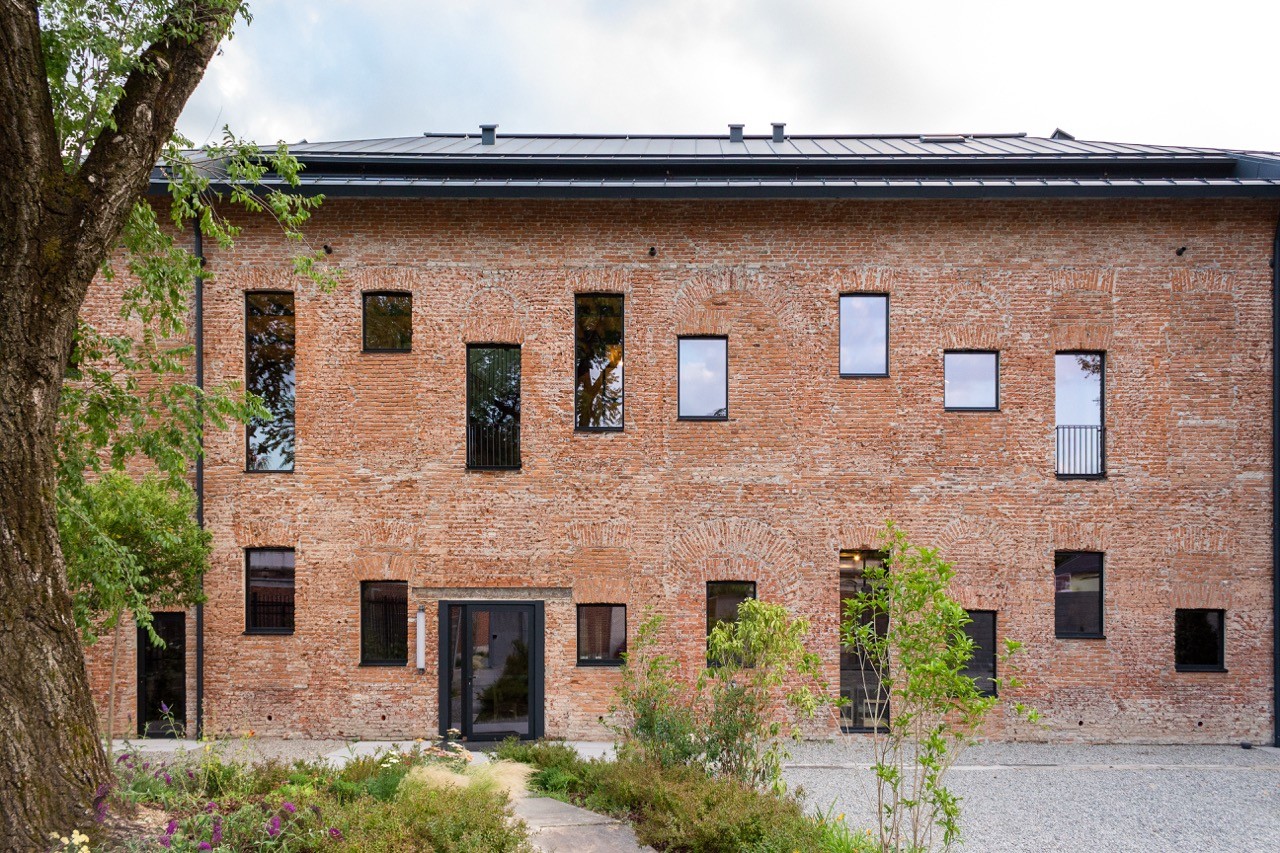
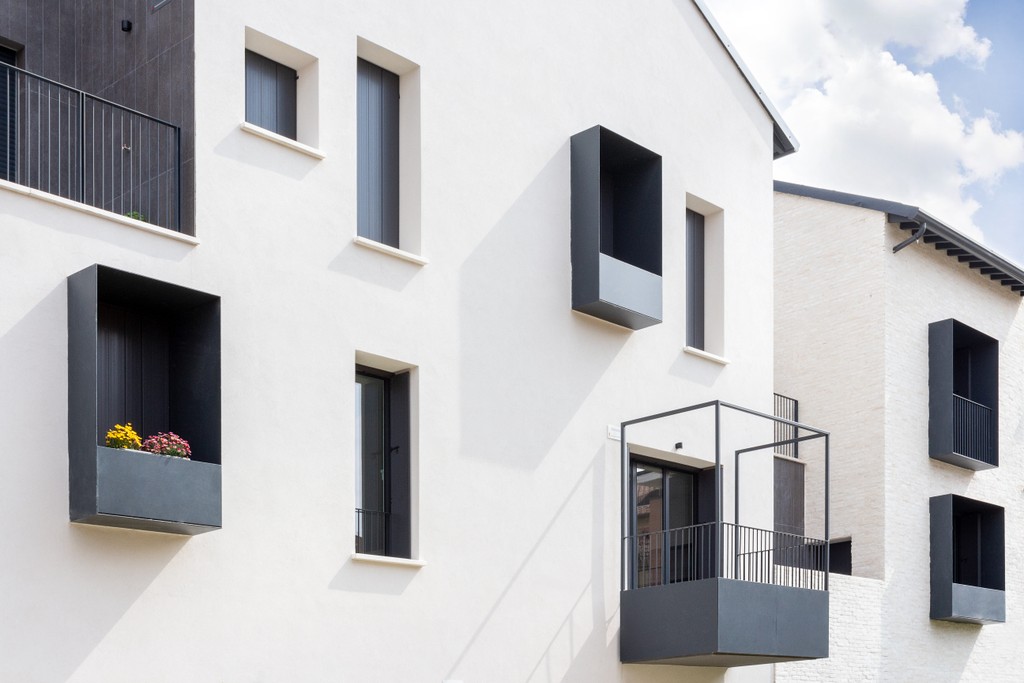
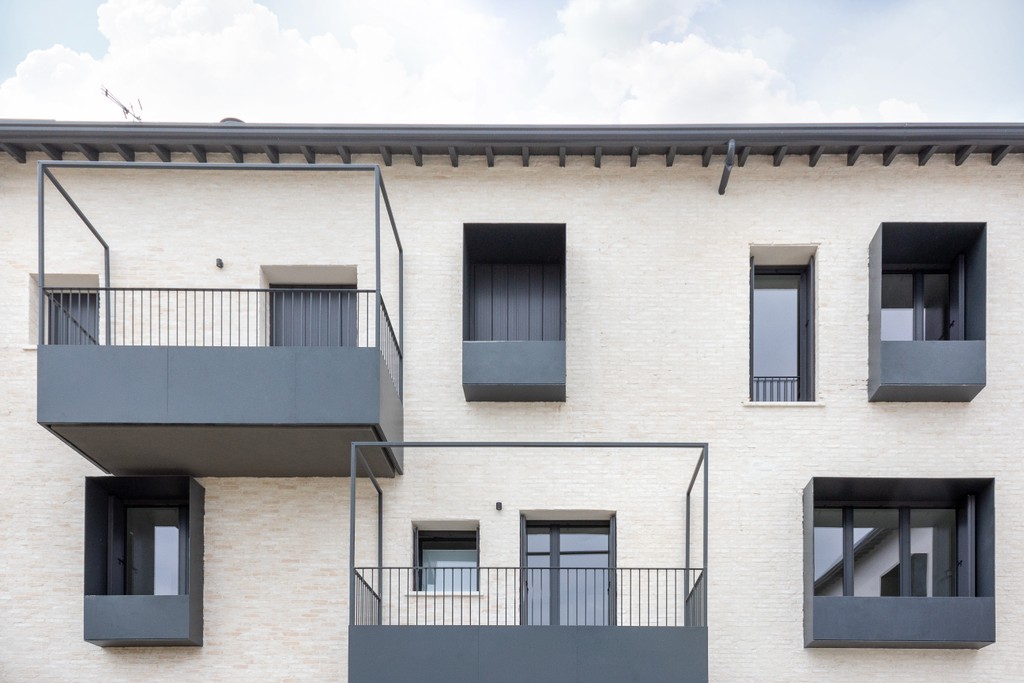
The large windows were designed to encourage a closer connection with the greenery of the garden and to maximise natural light in the interiors as much as possible.
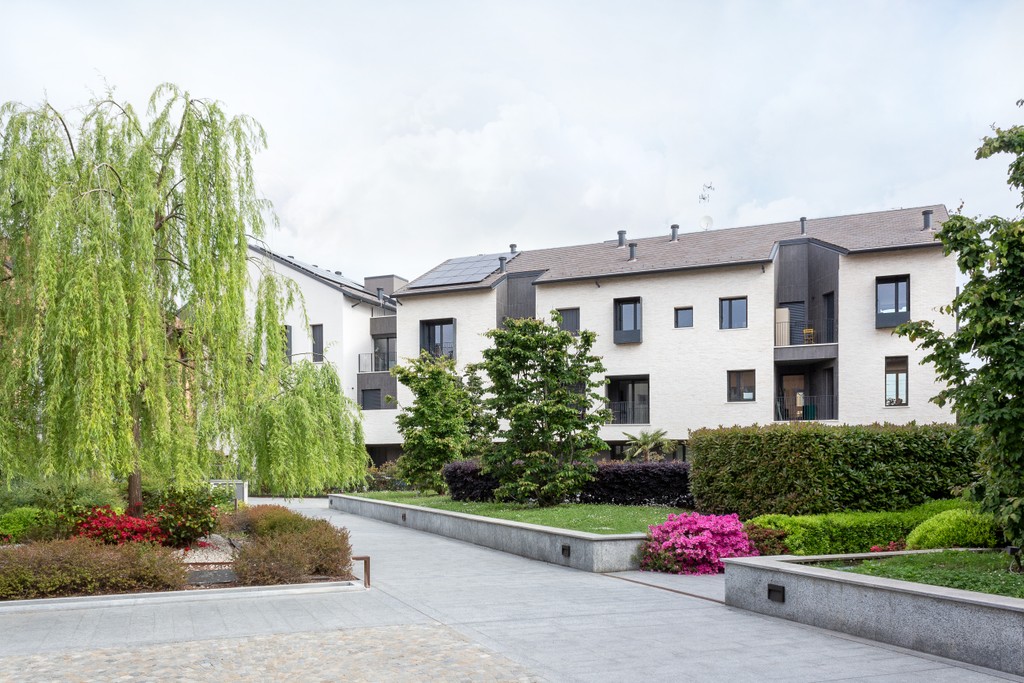
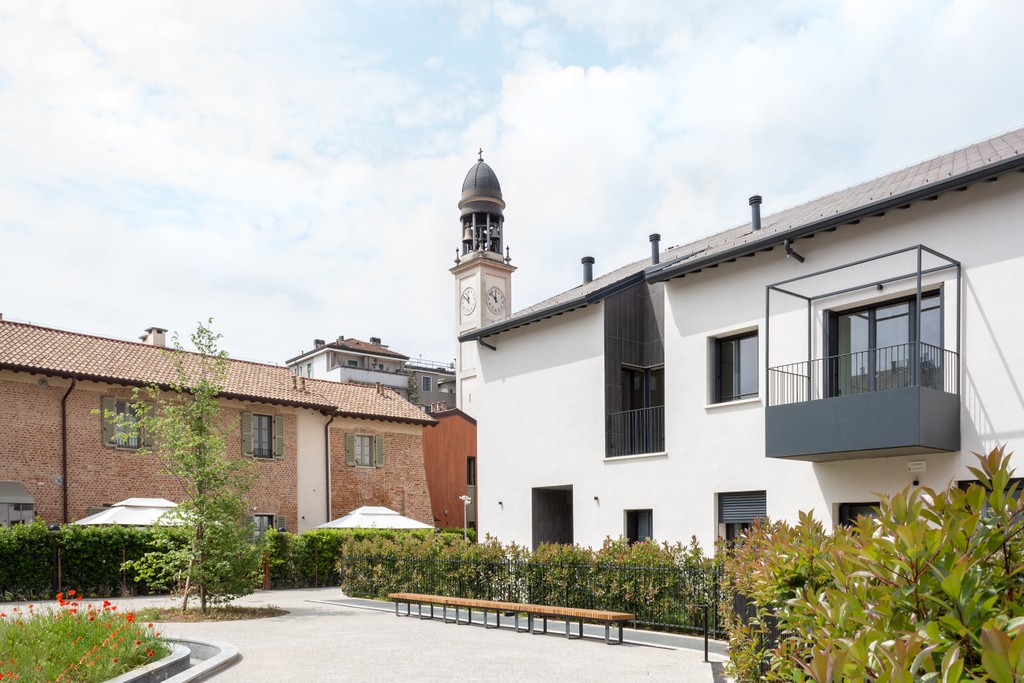
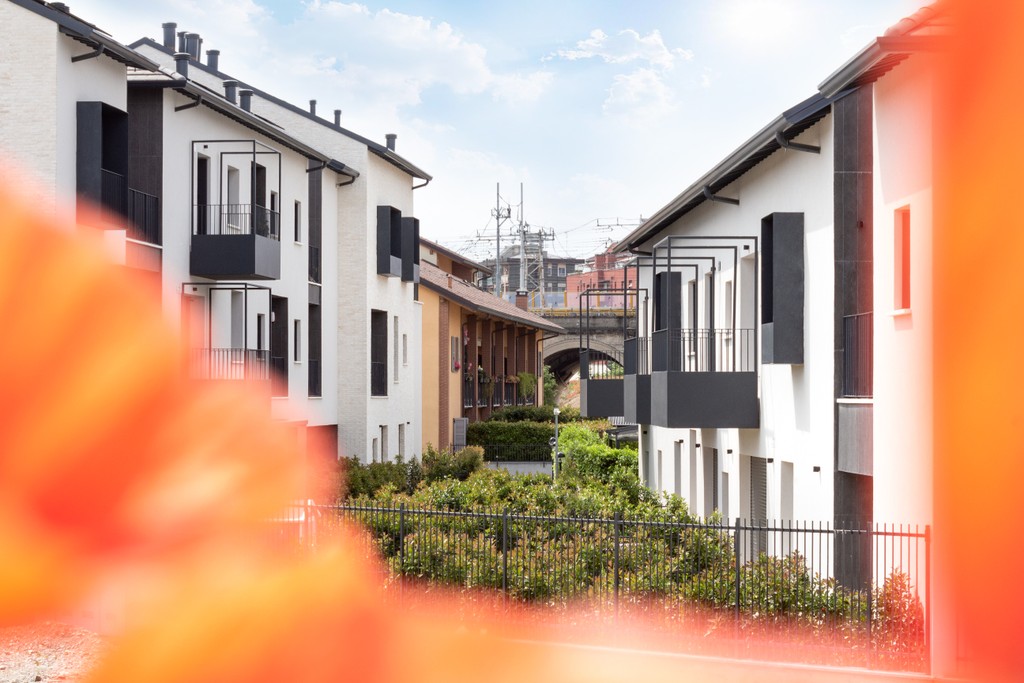
The project includes 9,000 square metres of built area, plus the outdoor spaces. In harmony with the original context, the new architecture was conceived by the studios as having a horizontal development. The two buildings are made up of two and three storeys respectively, each arranged around an internal courtyard. Great importance was given to the outdoor areas and communal zones in accordance with the philosophy of the studios and the client. The project in fact includes a large communal garden protected by trees and characterised by paths and spaces for meeting, play and socialising. A singular case in the current Milanese landscape, which raises questions about its replicability and the urban significance of a design strategy that prioritises environmental values
Through a major design effort, it was possible to customise each housing unit uniquely, giving every home a distinctive and personal character to meet the different needs of every type of family. All the new homes have high standards of indoor living comfort (controlled mechanical ventilation, thermal and acoustic insulation, …) and are equipped with large outdoor spaces (balconies or terraces) overlooking the communal garden. The large windows were designed to encourage a closer relationship with the garden greenery and to maximise natural light in the rooms as much as possible. The minimalist line in fact made it possible to recover a significant percentage of filtered light, especially in the small openings. A total of 260 aluminium window frames in 50 different types were installed in terms of size, number of leaves and opening directions.
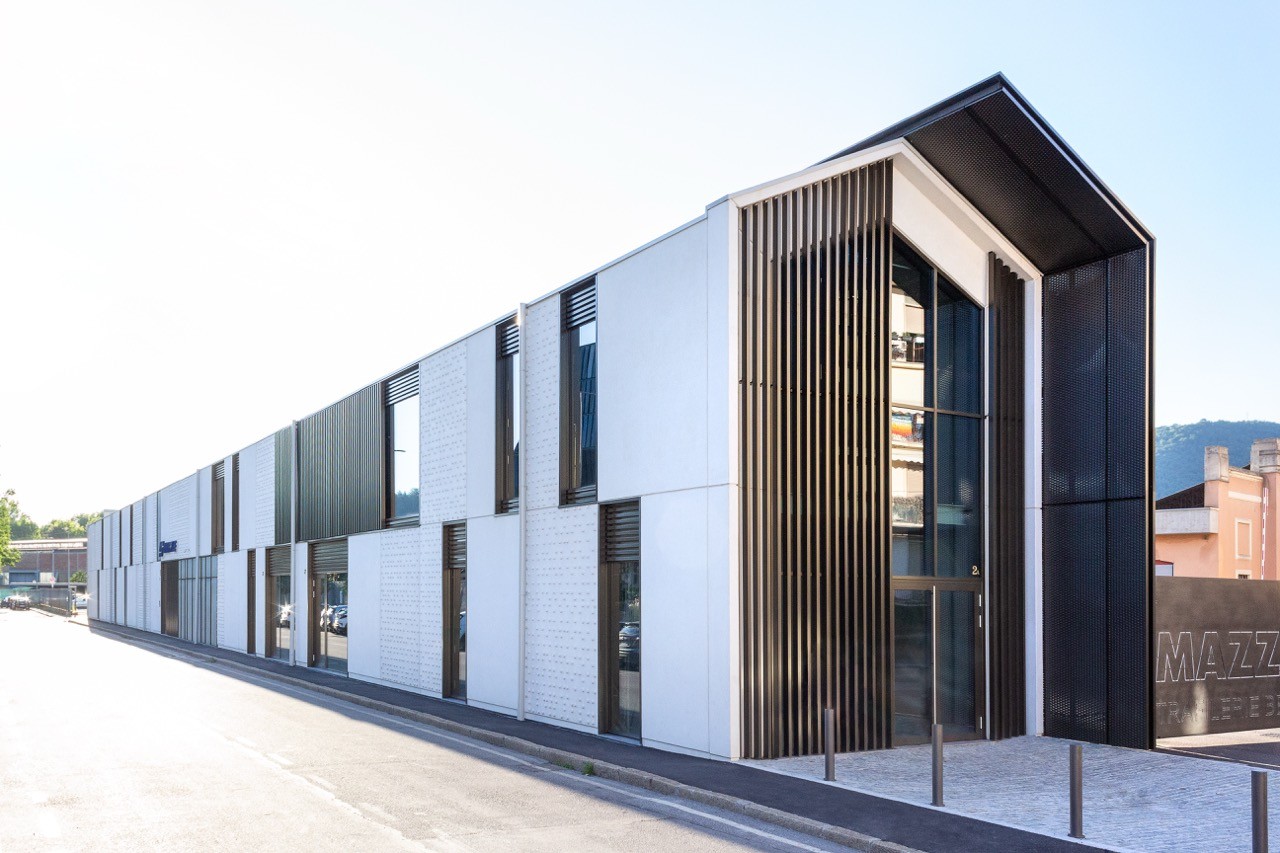
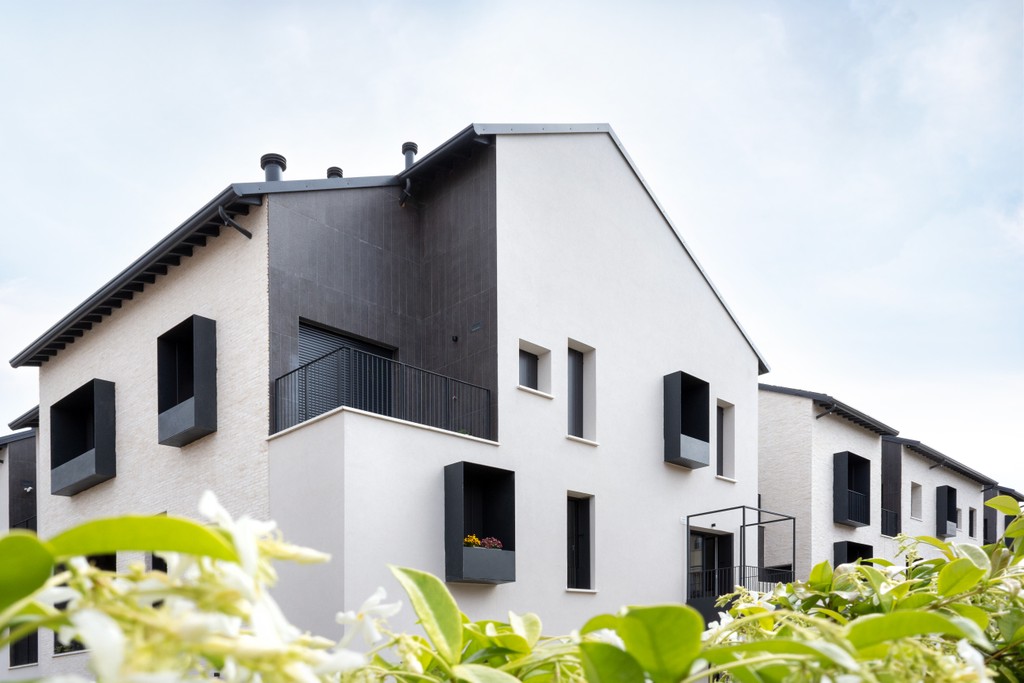
The main feature of the architectural project lies in the shape and arrangement of the buildings which, through a relationship between solids and voids, create two courtyards and complete a third. The architectural project ensured that the buildings fell within energy class A++. The key element from a sustainability point of view is the use of geothermal energy combined with the use of solar and photovoltaic panels. The buildings are highly insulated from a thermal point of view, designed to encourage natural air circulation to the greatest extent possible and connected by high-efficiency lifts. The management of the green spaces is mainly based on the collection and use of rainwater, so as not to burden the buildings' water consumption. The aesthetics of the facades is based on the principle of breaking down elements by subtraction from the masonry. Roll-down shutters and fold-away shutters contribute to this skilful play of rhythms and forms. The architecture creates a deliberately dynamic and fragmented alternation, in order to avoid the monotonous repetitiveness typical of contemporary complexes. The two buildings take up the place's traditional compositional language, reinterpreting it with contemporary materials and construction techniques. The volumetric courtyard layout of Cascina Conti is in fact echoed, and the external walls also reprise the use of fair-faced brick and plaster, with a palette of light colours to give brightness. The most contemporary compositional elements are inserted with precision, ensuring the greatest possible coherence with the consolidated image of the volumes: pitched roofs, the courtyard layout and the reduced heights
THIS IS A CAPTION

THIS IS A CAPTION

THIS IS A CAPTION
THIS IS A CAPTION
THIS IS A CAPTION
THIS IS A CAPTION